
Data Centre Network Infrastructure Costs: What Affects the Budget?
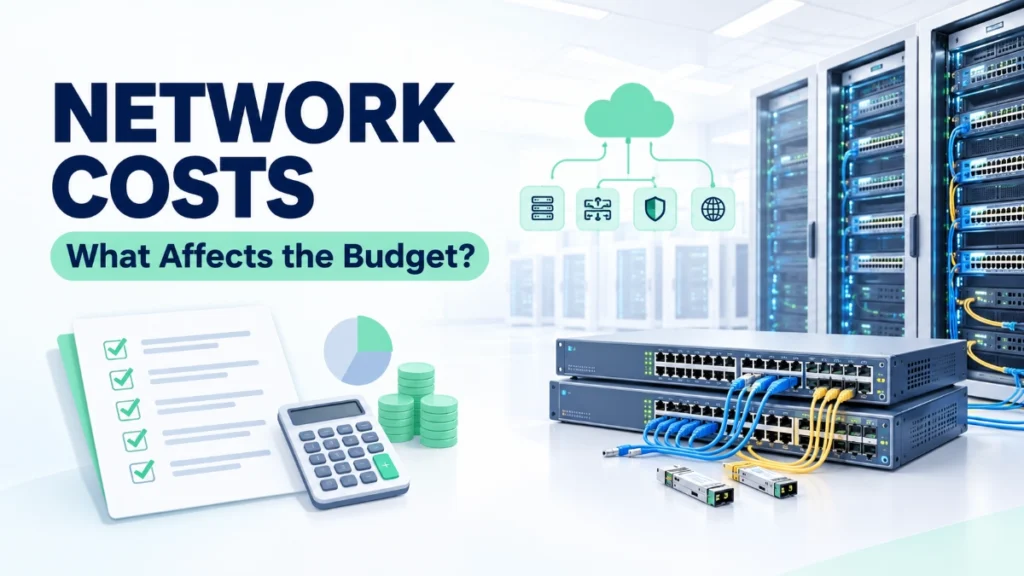
Imagine an IT head at a growing Indian logistics company. Customer orders are rising, new applications are going live, and the current server room is running out of space. She gets approval to expand the data centre and quickly lists the big purchases: servers and storage. Then the networking quote arrives. It lists switches, but […]
Ethernet vs InfiniBand for AI Data Centres
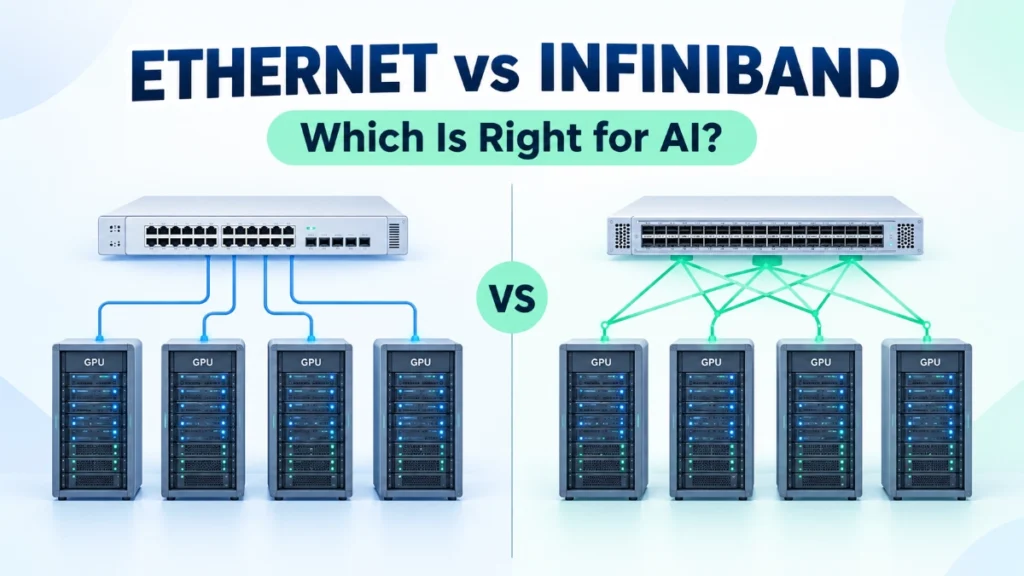
Your GPUs Are Only as Fast as the Network Connecting Them Picture a company that buys a rack of GPU servers to train an AI model. The hardware is expensive and impressive. Then training runs slower than expected, and the GPUs spend part of their time idle, waiting for data from other servers. The cause […]
Colocation vs Enterprise Data Centres: Networking Differences
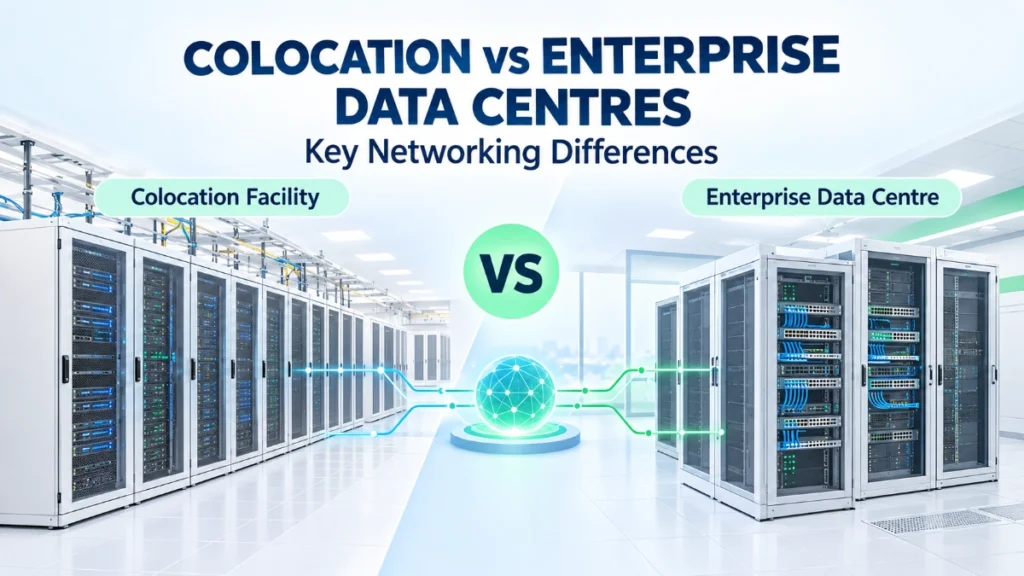
When Your Business Outgrows the Server Room Picture a growing company with its head office in Delhi, a plant in Pune, and sales teams in Bengaluru, Hyderabad, and Kolkata. Customers now order through a mobile app. Finance runs on a large database. Every branch expects fast, reliable access to the same applications. The IT team […]
Edge Data Centres vs Traditional Data Centres
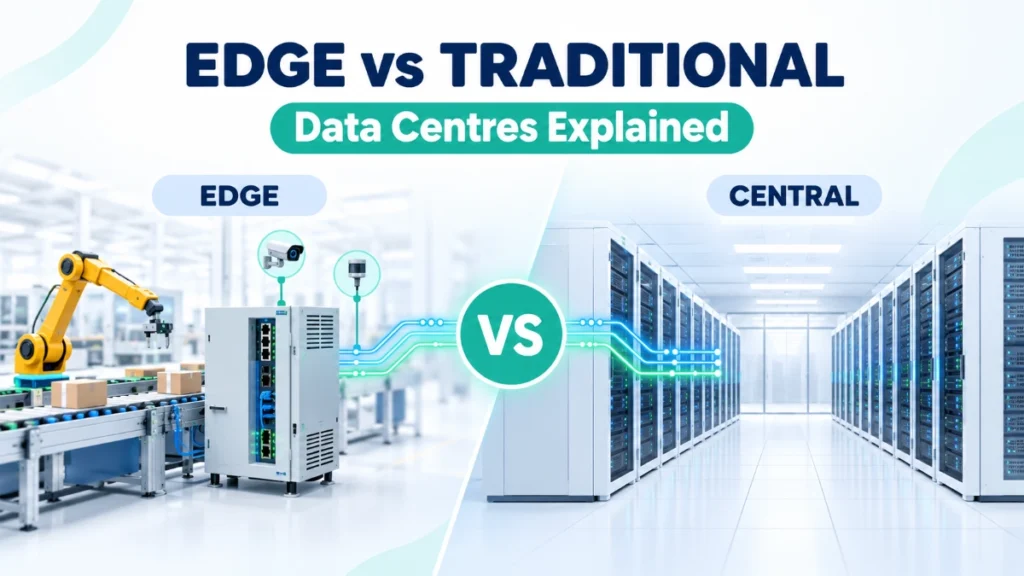
Picture a manufacturer with machines running across several locations. Sensors track vibration and temperature. Cameras watch the production line. Automated systems must react the moment something changes. If every reading and every video frame travels to a distant facility before anyone acts on it, delays creep in, and network links fill up. Now picture a […]
How to Reduce Packet Loss in a Data Centre Network

Your helpdesk starts filling with the same complaint. An internal business application feels slow. Database queries take longer than they did last week. A few virtual machines drop out of contact for a moment, then recover. A large file transfer fails halfway and has to retry. You check the servers, and they are running normally. […]
What Is Spine-Leaf Architecture in a Data Centre?
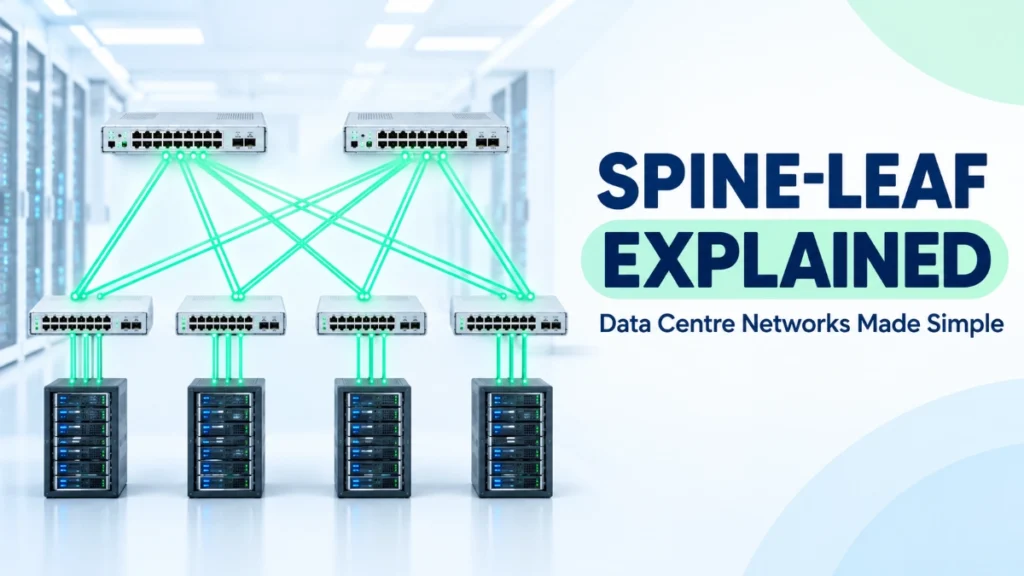
Imagine a growing company that runs customer applications, databases, internal business software, virtual machines, and storage systems inside its data centre. A year ago, a few racks handled everything. Today, the IT team keeps adding servers to keep up with demand. As the estate grows, these systems talk to each other far more often. The […]
What Is Data Centre Networking and How Does It Work?
Picture a growing business with about 300 employees. Its accounting software, customer database, internal applications and video meetings all run on a mix of on-site servers and cloud platforms. Every night, the IT team runs backups. Then things start to slip. Staff complain that the accounting system feels sluggish at month-end. Video calls stutter. The […]
Data Centre Networking Requirements for Indian Enterprises
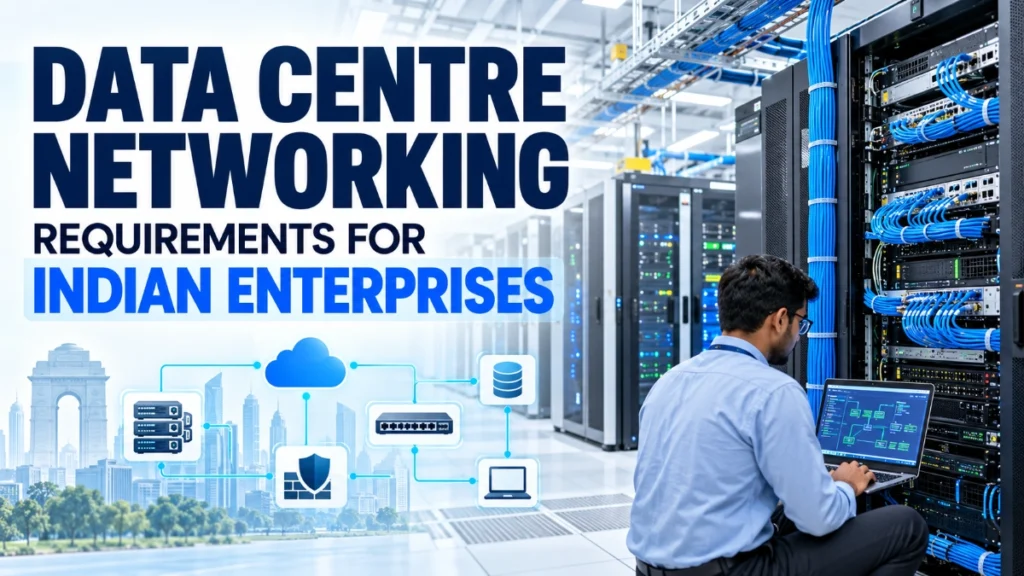
A growing business needs more than powerful servers. It needs a network that keeps applications responsive, moves data efficiently, protects business systems and supports future expansion. Understanding the right data centre networking requirements for Indian enterprises helps IT teams make these decisions without overspending on unnecessary infrastructure. This guide explains the essential components, bandwidth considerations, […]
What Are CRC Errors in Industrial Ethernet?
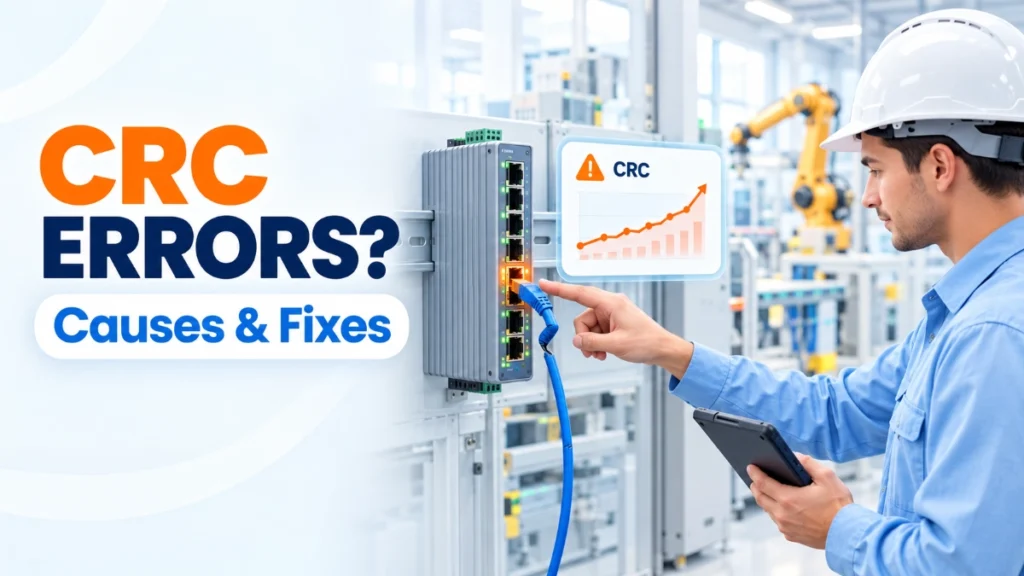
A PLC briefly loses its connection to a remote I/O block, then recovers. Nothing looks wrong in the panel, but the managed switch shows an error counter climbing on one port. CRC errors in industrial Ethernet mean a received frame failed an integrity check and was discarded. They don’t automatically mean the switch has failed. […]
How to Find a Network Loop in an Industrial Ethernet Network
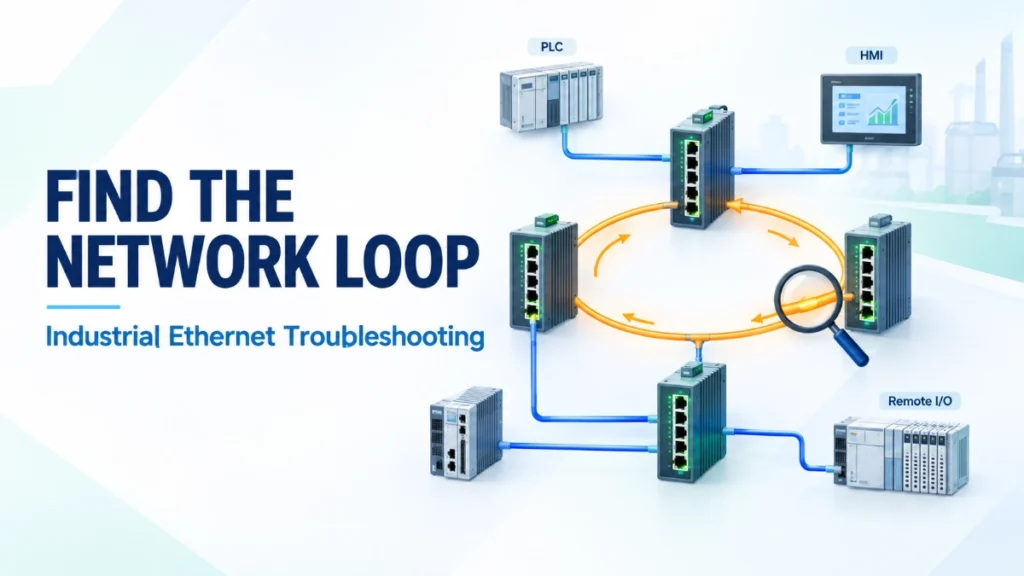
A PLC suddenly loses communication with its remote I/O. The HMI crawls. Switch LEDs flicker far more than usual, and devices keep dropping off and rejoining. Nothing looks physically broken. One possible cause is a network loop. Ethernet switching is not designed to tolerate uncontrolled Layer 2 loops: a frame can circulate again and again […]