
Industrial network infrastructure is the backbone of modern automation and control systems. It connects machines and control systems into a unified ecosystem.
Unlike enterprise networks, industrial environments demand high reliability, low latency, and strong resilience.
This article explains the core components that form a robust industrial network infrastructure. The focus remains practical and technically relevant for engineers and system integrators.
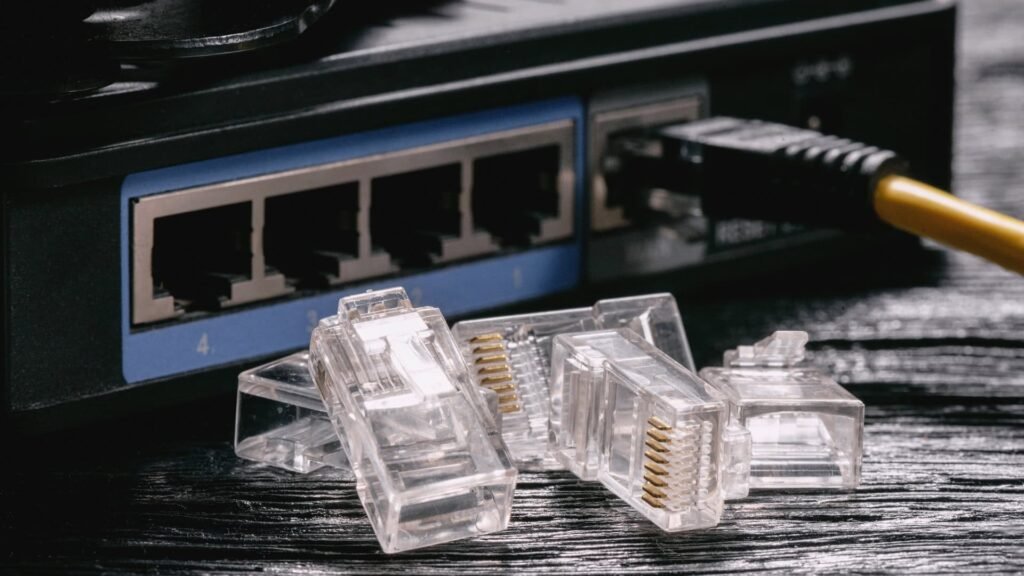
Key Components of Industrial Networking Infrastructure-
Industrial Ethernet Switches:
Industrial Ethernet switches are the backbone of industrial networking. they act as the central communication layer in industrial networks. They connect field devices, controllers, and servers all together.
These switches are designed for harsh environments. They can withstand temperature variations, vibration, and electrical noise.
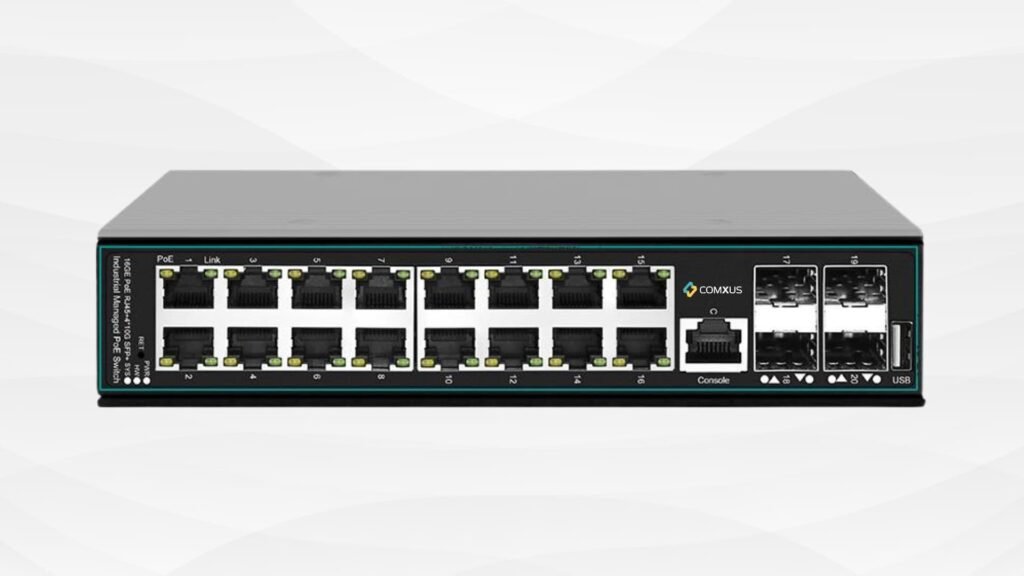
Managed switches provide advanced features. These include VLAN, QoS, port mirroring, and redundancy protocols.
Whenever you are planning to buy an industrial ethernet switch. There are few key points that you must consider:
- The switch must be able to operate in harsh environment. Where temperature might go too cold or too hot.
- Every industrial switch must have redundancy features like RSTP, MRP, or ERPS. These features are helpful during the network breakdown.
- It should have DIN rail mounting and rugged enclosure. So you can easily use it in outdoor environment and compact area.
2. Industrial Routers and Gateways
When it comes to industrial networking, only industrial switches are not enough for the infrastructure. Sometimes, you might also need a router. In that case, you should use the industrial grade routers only.
Industrial routers connect different networks and enable secure remote communication. They are essential for connecting OT networks to IT systems.
Gateways help in protocol conversion. They allow communication between devices using different industrial protocols.
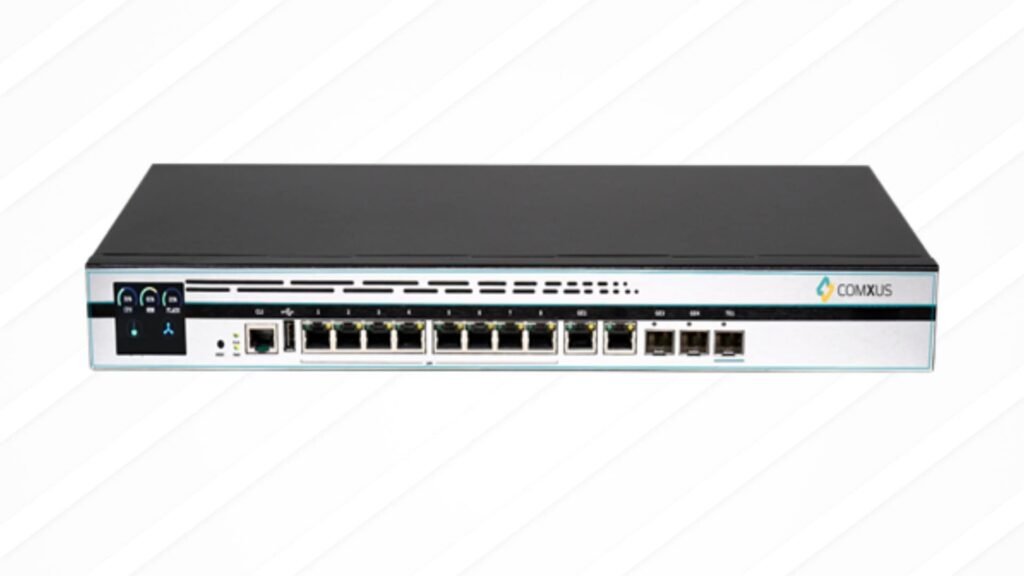
For example, a Modbus TCP to Modbus RTU gateway ensures interoperability between legacy and modern systems.
Industrial routers often support:
- VPN for secure remote access
- Firewall for network segmentation
- Dual SIM or cellular connectivity for remote sites
These devices play a critical role in IIoT and remote monitoring applications.
3. Network Cabling and Connectivity
Cabling forms the physical layer of industrial communication. It must ensure reliable data transmission in harsh conditions.
Common types include:
- Industrial-grade Ethernet cables (Cat5e, Cat6, Cat6a)
- Fiber optic cables for long-distance communication
- Shielded cables for noise-prone environments
Fiber optics are preferred in high EMI areas. They provide immunity against electromagnetic interference.
Connectors also matter. M12 connectors are widely used in industrial setups due to their rugged design.
Proper cable management improves network stability and reduces downtime.
4. Industrial Wireless Infrastructure
Wireless communication is becoming important in industrial environments. It supports mobility and flexible deployments.
Industrial wireless solutions include:
- Wi-Fi access points for plant connectivity
- Wireless bridges for point-to-point communication
- Cellular gateways for remote asset monitoring
Wireless networks must handle interference and signal obstruction. Industrial-grade devices offer better performance in such conditions.
Security is critical in wireless deployments. Strong encryption and authentication must be implemented.
5. Network Security Components
Cybersecurity is a major concern in industrial networks. OT environments are increasingly targeted by cyber threats.
Key security components include:
- Industrial firewalls for network segmentation
- Intrusion detection and prevention systems
- Secure remote access solutions
Network segmentation separates critical systems from less secure networks. This reduces the attack surface.
Role-based access control ensures that only authorized users can access sensitive systems.
Security must follow standards like IEC 62443 for industrial cybersecurity.
6. Industrial Protocols and Communication Standards
Industrial communication relies on specialized protocols. These protocols ensure deterministic and real-time communication.
Common industrial protocols include:
- PROFINET
- EtherNet/IP
- Modbus TCP
- OPC UA
Each protocol serves specific applications. PROFINET is widely used in manufacturing automation. OPC UA is used for data interoperability.
Understanding protocol behavior is important for network design. It helps in optimizing performance and troubleshooting issues.
7. Redundancy and High Availability Mechanisms
Industrial networks cannot afford downtime. Redundancy ensures continuous operation even during failures.
Common redundancy techniques include:
- Ring topology using MRP or ERPS
- Dual homing and link aggregation
- Redundant power supply
Fast recovery time is critical. Industrial protocols can achieve recovery within milliseconds. High availability improves system reliability and minimizes production losses.
8. Network Monitoring and Management Systems
Monitoring tools provide visibility into network performance. They help in identifying issues before they become critical.
Industrial network management systems support:
- SNMP-based monitoring
- Real-time diagnostics
- Event logging and alerts
Advanced tools also provide topology mapping and traffic analysis. Predictive maintenance becomes possible with proper monitoring. It reduces unexpected failures and improves uptime.
9. Edge Devices and IIoT Integration
Edge computing is transforming industrial networks. Edge devices process data closer to the source. This reduces latency and bandwidth usage. It also enables faster decision-making.
Edge gateways connect sensors and devices to cloud platforms. They support data aggregation and preprocessing. IIoT integration allows industries to leverage analytics and automation. It enhances operational efficiency.
10. Power Supply and Environmental Considerations
Reliable power supply is essential for network stability. Industrial devices often support dual power inputs. Uninterruptible Power Supply (UPS) systems provide backup during power failures.
Environmental factors must also be considered. Devices should have:
- IP-rated enclosures for dust and water protection
- Resistance to vibration and shock
- Wide temperature tolerance
Proper installation ensures long-term performance and reduces maintenance costs.
Conclusion:
Industrial network infrastructure is a complex combination of hardware, protocols, and security mechanisms. Each component plays a specific role in ensuring reliable communication.
A well-designed network improves operational efficiency and reduces downtime. It also supports scalability and future expansion.
For network engineers and system integrators, understanding these components is essential. It helps in designing robust and secure industrial networks.
As industries move towards Industry 4.0, network infrastructure becomes even more critical. Investing in the right components ensures long-term success.
